Interventional Pulmonology in Hyderabad
Some lung conditions cannot be diagnosed with a scan or blood test alone. Interventional pulmonology uses minimally invasive procedures to see inside the airway directly, take tissue samples, and treat blockages, without open surgery.
Who needs it?
- Unexplained lung mass or shadow
- Suspected or confirmed lung cancer
- Persistent cough with no clear cause
- Airway blockage or narrowing
- Pleural fluid (fluid around lungs)
- Complex COPD or interstitial lung disease
Advantages over open surgery
- No incisions or stitches
- Same-day or overnight procedure
- Local anaesthesia or light sedation
- Faster recovery, back home in hours
- Lower complication risk
- Diagnosis and treatment in one session
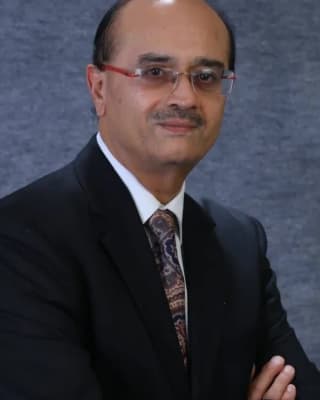
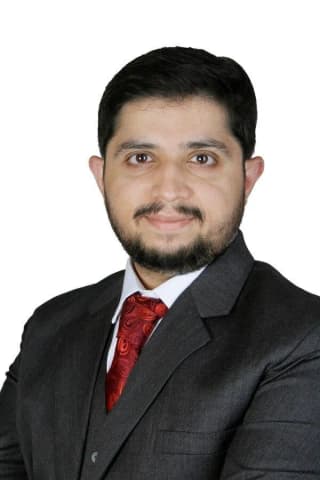
Your Specialists
Each case is assessed by both specialists before a procedure is recommended.
Procedures Available at Respire
Each procedure is performed by Dr. Kunal Waghray, one of few interventional pulmonologists in Hyderabad with full bronchoscopy suite experience.
Flexible Bronchoscopy
Camera test for the lungs
A thin flexible camera is passed through the nose or mouth into the airways to visualise the lungs, take biopsies, and clear blockages.
Used for:
- Unexplained cough or haemoptysis
- Suspected lung cancer or infection
- Foreign body removal
- Airway sampling
EBUS: Endobronchial Ultrasound
Ultrasound-guided lung biopsy
A bronchoscope with an ultrasound probe samples lymph nodes and lung masses adjacent to the airway, without surgery or general anaesthesia.
Used for:
- Lung cancer staging
- Unexplained mediastinal lymph nodes
- Sarcoidosis diagnosis
- TB lymph node biopsy
Rigid Bronchoscopy
Airway treatment under anaesthesia
A rigid metal tube allows larger instruments into the airway for therapeutic procedures: tumour removal, stent placement, and massive bleeding control.
Used for:
- Tumour debulking
- Airway stent insertion
- Massive haemoptysis control
- Large foreign body removal
Cryotherapy & Cryobiopsy
Freeze and remove airway tissue
A cryoprobe freezes and removes abnormal tissue or takes large biopsy samples from the airways, with better yield than standard forceps biopsy.
Used for:
- Endobronchial tumour treatment
- Large airway biopsy
- Interstitial lung disease diagnosis
Pleural Procedures
Fluid around the lungs: drainage and biopsy
Procedures to drain fluid collections around the lungs (pleural effusion) and obtain tissue samples from the pleural lining.
Used for:
- Pleural effusion drainage
- Indwelling pleural catheter (IPC) for home drainage
- Pleurodesis for recurrent malignant effusion
- Pleural biopsy for diagnosis
Medical Thoracoscopy
Pleural biopsy without surgery
A camera is passed into the pleural space through a single small port under sedation, allowing direct inspection and biopsy of the pleural lining.
Used for:
- Undiagnosed pleural effusion
- Suspected pleural malignancy
- TB pleuritis diagnosis
- Talc pleurodesis
ILD Diagnosis
Interstitial lung disease diagnosis and biopsy
Full diagnostic pathway for interstitial lung disease, from HRCT review to cryobiopsy through a bronchoscope, with multidisciplinary team review. No open chest surgery needed in most cases.
Used for:
- Unexplained lung fibrosis on CT
- ILD biopsy (cryobiopsy)
- Connective tissue disease-related ILD
- MDT diagnosis review
Pulmonary Rehabilitation
Structured breathing and exercise programme
A supervised programme of breathing exercises, physical conditioning, and education for patients with chronic lung disease.
Used for:
- COPD management
- Post-COVID lung recovery
- Post-surgery rehabilitation
- Chronic breathlessness
When Is a Referral Needed?
Your GP or specialist may refer you to Dr. Kunal for interventional assessment if:
CT shows a lung nodule or mass
Bronchoscopy or EBUS can sample the lesion to determine if it is cancerous.
Persistent cough with no diagnosis after 8 weeks
Bronchoscopy can visualise the airway and rule out structural causes.
Enlarged mediastinal lymph nodes on CT
EBUS can sample nodes without surgery, which is critical for cancer staging.
Suspected sarcoidosis or interstitial lung disease
Cryobiopsy via bronchoscopy provides larger, better-quality tissue samples.
Recurrent pleural effusion
Pleural procedures can drain fluid and prevent recurrence.
Airway obstruction or stridor
Rigid bronchoscopy + stenting can restore airway patency urgently.
Haemoptysis (coughing blood)
Bronchoscopy identifies the bleeding source and allows targeted treatment.
TB lymph node biopsy needed
EBUS samples mediastinal lymph nodes affected by TB without open surgery.
Patient Guides
Detailed guides for patients preparing for a procedure or recently referred to Dr. Kunal Waghray.
Bronchoscopy
Guides for patients preparing for or recovering from bronchoscopy.
EBUS and Lung Cancer Staging
Guides for patients referred for EBUS or lung cancer staging.
Pleural Procedures
Guides for patients with fluid around the lungs.
Tissue Diagnosis: ILD and Cryobiopsy
Guides for patients referred for lung biopsy or ILD workup.
Airway and Therapeutic Bronchoscopy
Guides for patients with airway obstruction or bleeding.
Referred for a Lung Procedure?
Dr. Kunal Waghray performs all interventional procedures personally. Most patients are assessed and scheduled within the same week.
Dr. Kunal Waghray explains
Short, plain-language answers from the Respire team. Tap a video to play it here.