Rigid Bronchoscopy: Advanced Airway Treatment
Most bronchoscopies use a thin flexible camera. Rigid bronchoscopy uses a larger, rigid metal tube under general anaesthesia, allowing therapeutic procedures that are not possible with the flexible scope.
Flexible bronchoscopy
- Thin flexible camera
- Light sedation, patient awake
- Diagnostic: viewing and sampling
- Smaller instruments
- Outpatient, day procedure
Rigid bronchoscopy
- Rigid metal tube with larger working channel
- General anaesthesia
- Therapeutic: treatment of airway conditions
- Larger instruments for debulking, stenting
- Requires hospital setting
- For urgent or complex airway conditions
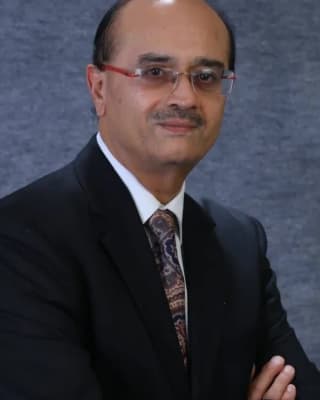
Your Specialists
Each case is assessed by both specialists before a procedure is recommended.

When Is Rigid Bronchoscopy Needed?
Rigid bronchoscopy is used when the airway itself needs to be treated, not just examined.
Central airway obstruction
Tumour or scar tissue blocking the main airways. Debulking or stenting can restore breathing immediately.
Massive haemoptysis
Life-threatening bleeding from the airway. The rigid scope allows tamponade and targeted treatment.
Airway stent placement
Metal or silicone stents placed to keep collapsed or narrowed airways open.
Endobronchial tumour debulking
Removing tumour tissue from inside the airway to restore airflow, using laser, electrocautery, or mechanical removal.
Large foreign body removal
Objects too large for flexible scope, especially in children. Urgent procedure.
Tracheal stenosis
Narrowing of the trachea from prior intubation, infection, or autoimmune disease. Dilated and stented.
Tracheobronchomalacia
Collapse of airway walls during breathing. Stenting provides structural support.
Post-transplant airway complications
Stenosis or dehiscence after lung or heart-lung transplantation.
Frequently Asked Questions
Is rigid bronchoscopy done under general anaesthesia?
Yes. Rigid bronchoscopy requires general anaesthesia because the rigid tube is larger and therapeutic procedures require the patient to be completely still. You will be completely asleep throughout.
Is rigid bronchoscopy safe?
Rigid bronchoscopy is a well-established procedure performed by trained interventional pulmonologists. Risks are present but low. Your doctor will discuss them specifically before the procedure.
How long does rigid bronchoscopy take?
Typically 30-60 minutes depending on the procedure performed. You will need to stay overnight in most cases.
What is airway stenting?
An airway stent is a metal or silicone tube placed inside a narrowed or collapsed airway to keep it open. Rigid bronchoscopy allows precise stent placement under direct vision.
Who performs rigid bronchoscopy in Hyderabad?
Dr. Kunal Waghray, interventional pulmonologist at Respire Airway Clinics, is one of the few specialists in Hyderabad trained in rigid bronchoscopy and advanced airway interventions.
When is rigid bronchoscopy an emergency?
Massive haemoptysis (coughing large amounts of blood) and complete central airway obstruction are emergencies requiring urgent rigid bronchoscopy. Do not delay, call emergency services immediately.
Need advanced airway treatment in Hyderabad?
Dr. Kunal Waghray performs rigid bronchoscopy and advanced airway interventions. Consult to assess whether this procedure is appropriate for your condition.
Related Procedures at Respire
Dr. Kunal Waghray explains
Short, plain-language answers from the Respire team. Tap a video to play it here.