Allergy Doctor in Hyderabad
On-site allergy testing. Immunotherapy planning. Integrated with ENT and pulmonology under one roof.
Reviewed by Dr. Jyotika Waghray, MBBS, MS (ENT), Diploma in Allergy. Registered with Andhra Pradesh Medical Council (79986) and Gujarat Medical Council (G-68062). Allergy and ENT specialist, Respire Airway Clinics. Last reviewed: May 2026.
Medical disclaimer. This page is educational and does not replace a clinical consultation. Severe allergic reactions (anaphylaxis, swelling of the throat or tongue, difficulty breathing) are medical emergencies. Call the clinic or go to the nearest hospital. Do not start, stop, or change any medication based on the information here without speaking to a physician.
In our clinic, the most common first visit is the patient who has been on antihistamines for years without knowing what they are actually allergic to.
The sneezing fits every February. The eyes that itch every monsoon. The asthma that flares unpredictably. The hives that show up and disappear with no pattern. The child with three ear infections this year and a runny nose that never settles.
Most of this is treatable. The bottleneck is identifying which allergens are actually driving the symptoms, then matching the treatment to the trigger. A 30-minute skin prick test usually answers the first question.
Respire Airway Clinics offers allergy testing and immunotherapy planning on-site, integrated with our ENT service and pulmonology team. Two clinic locations: Basheer Bagh in central Hyderabad and Jubilee Hills in west Hyderabad.
Our allergy doctor
Dr. Jyotika Waghray leads allergy care at both Respire clinics. Her Diploma in Allergy and ENT surgical background means most allergy cases can be evaluated and treated in one visit, with sinus, asthma, and airway involvement handled together.
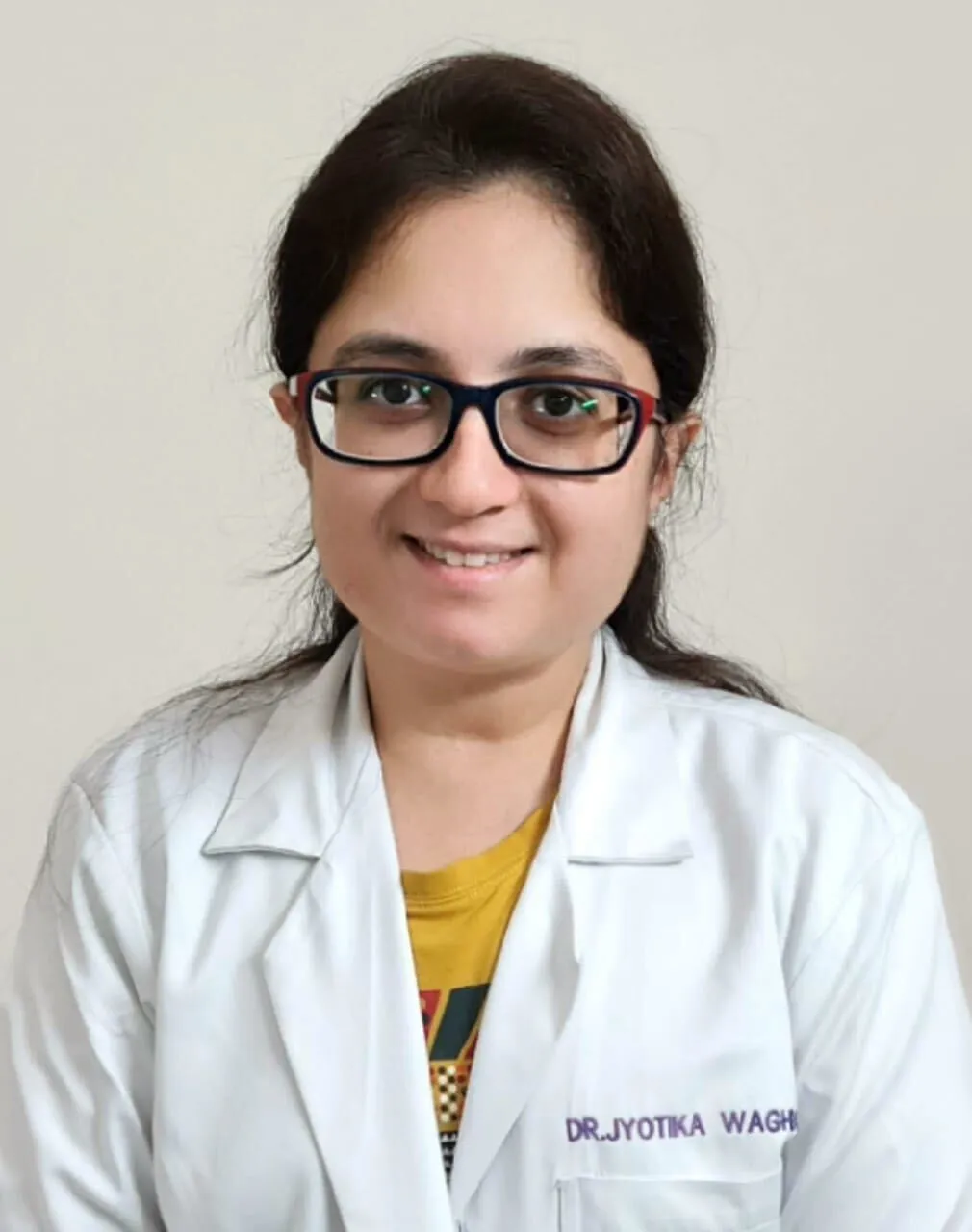
Dr. Jyotika Waghray
Allergy and ENT Specialist
MBBS, MS (ENT), Diploma in Allergy. Reg #79986 (AP Medical Council), G-68062 (Gujarat Medical Council).
On-site skin prick testing and immunotherapy planning. Uncommon for a clinic this size in Hyderabad.
Focus: allergic rhinitis, allergic asthma, urticaria, food allergy evaluation, allergen immunotherapy planning, and the surgical management of allergy-driven sinus disease.
When you need an allergy doctor
Most patients delay an allergy consultation by years, treating symptoms reactively with antihistamines. The right moment to come in is when one of the following is true.
The ARIA 2019 guidelines (Allergic Rhinitis and its Impact on Asthma) classify allergic rhinitis by frequency (intermittent vs persistent) and severity (mild vs moderate-severe). Persistent moderate-severe rhinitis is the threshold for considering immunotherapy alongside medication.
Allergies we treat
Most of the volume at Respire is airway allergy. Skin, food, and paediatric allergy are seen in lower volumes but evaluated thoroughly when relevant.
Skin & other
- Urticaria (hives)
- Atopic dermatitis (eczema)
- Drug allergy evaluation
- Insect sting reactions
Food & paediatric
- Suspected food allergies
- Paediatric allergic rhinitis
- Childhood eczema with allergic component
- Recurrent infections with allergic background
The main allergens in Hyderabad
The triggers driving allergic disease in Hyderabad are a slightly different mix than in Mumbai, Delhi, or Bangalore. Knowing which ones matter for your case is the first step.
Dust mites
Year-round in Hyderabad. Humidity makes the city ideal for them. Bedding, upholstery, and carpets are the main reservoirs.
Parthenium (carrot grass) pollen
Major seasonal allergen February to May. Grows on roadsides and empty plots across the city.
Cockroach allergen
Common in older housing, especially Old City and densely built central areas. Triggers asthma and rhinitis even without visible roaches.
Mould spores
Spikes during monsoon (June to September). Affects ground floor flats, bathrooms, and houses with damp.
Animal dander
Increasingly common as pet ownership rises. Cat dander is the more potent allergen; dog dander tends to be milder but still meaningful.
Construction dust
Not technically an allergen but a major airway irritant in HiTech City, Gachibowli, Kondapur, and ORR-adjacent neighbourhoods. Often confused with allergy.
Testing and treatment on-site
Most allergy clinics in Hyderabad refer testing out and treat empirically with antihistamines. At Respire, testing happens at the first visit and immunotherapy is planned in the same room.
Skin prick allergy testing
30-minute on-site test. A drop of each allergen is placed on the forearm and pricked through the skin. After 15 minutes, the response is read and explained.
Specific IgE blood testing
Blood test alternative for patients on antihistamines or with skin conditions that prevent skin testing. Sent to a partnered lab; results in 3-5 days.
Total IgE and absolute eosinophil count
Markers of overall allergic load. Useful for severe or refractory cases and for tracking response to treatment.
Trigger avoidance counselling
Hyderabad-specific recommendations: dust mite covers, HEPA in the bedroom, parthenium season precautions, monsoon mould checks.
Pharmacotherapy
Antihistamines, intranasal steroid sprays, leukotriene receptor antagonists, biologics for severe disease. The right ladder depends on the pattern.
Allergen immunotherapy planning (SCIT and SLIT)
The only treatment that changes the natural history of allergic disease. Subcutaneous (injection) and sublingual (under-tongue drop) options. Course is 3-5 years; most patients notice improvement within 6-12 months.
What to expect at your first visit
Your first consultation is 45 to 60 minutes. Here is what happens, in order.
History
Symptoms, when they started, what makes them better or worse, current medications, occupation, home environment, pets, family history of allergies.
Examination
Nose, throat, eyes, skin, and chest auscultation if asthma is suspected.
Allergy testing
Skin prick test done in the same visit if you are not on antihistamines (stop them 5 days before). If skin testing is not possible, blood-based IgE testing is arranged.
Spirometry if relevant
If asthma is suspected based on history, spirometry is added the same visit. Done in 15 minutes by a trained technician.
Result review
Test result is read and explained the same visit. We map your specific allergens to the patterns in your history.
Written plan
Diagnosis, trigger-avoidance plan, medications, and immunotherapy decision. If immunotherapy is appropriate, the vial composition is planned in the same visit.
Cost transparency
Consultation fee stated before booking. Test and immunotherapy costs explained before they are ordered.
Important: stop antihistamines (cetirizine, fexofenadine, loratadine, etc.) for 5 days before the visit if you want skin prick testing done the same day. Asthma inhalers can be continued. If stopping antihistamines makes you very symptomatic, blood-based IgE testing is the alternative.
Where we see patients
Respire Airway Clinics runs two clinic locations in Hyderabad. Dr. Jyotika consults at both. Allergy testing and immunotherapy planning are available at both.
Basheer Bagh clinic
Central Hyderabad, off Lakdi-ka-pul. Serves Nampally, Abids, Lakdikapul, Khairatabad, and surrounding central areas.
Basheer Bagh clinicJubilee Hills clinic
Road No. 36, close to Jubilee Hills check post. Serves Jubilee Hills, Madhapur, Film Nagar, Gachibowli, and Kondapur.
Jubilee Hills clinicFrequently Asked Questions
What does an allergy doctor treat?
Allergic conditions across the body: allergic rhinitis (hay fever), allergic asthma, allergic conjunctivitis (itchy eyes), urticaria (hives), atopic dermatitis (eczema), drug allergies, insect sting reactions, and selected food allergies. We focus on the airway and respiratory side, which is most of the volume in Hyderabad.
How does allergy testing work at Respire?
Skin prick allergy testing takes about 30 minutes. A small drop of each allergen is placed on the forearm and pricked through the skin. After 15 minutes, the doctor reads the response and the report is explained the same visit. The panel typically includes dust mites, pollens, moulds, animal dander, and cockroach allergen, which covers most Hyderabad triggers.
Do I need a referral to see an allergy doctor at Respire?
No. You can book directly. Most first visits are self-referred. If you have previous allergy test reports, blood IgE results, or asthma spirometry, bring them, as they speed the consultation and may avoid a repeat test.
What are the most common allergens in Hyderabad?
Year-round: dust mites (high humidity helps them thrive) and cockroach allergen (older buildings, Old City). Seasonal: Parthenium (carrot grass) pollen Feb to May, grass pollens monsoon onward, mould spores during monsoon (Jun to Sep). Construction dust is a separate non-allergic trigger common in HiTech City, Gachibowli, and Kondapur corridors.
What is allergen immunotherapy and how long does it take?
Allergen immunotherapy is a gradual desensitisation programme: small doses of the allergens you are sensitive to, given as injections (subcutaneous) or under-the-tongue drops (sublingual), at increasing strength over months. The full course is 3 to 5 years, but most patients notice symptom improvement within 6 to 12 months. It is the only treatment that changes the natural history of the allergy rather than just suppressing symptoms.
How much does an allergy consultation cost in Hyderabad?
Consultation fees in Hyderabad range broadly. Respire publishes the current fee at booking. Skin prick test cost, if done at the first visit, is stated before the test is done. Immunotherapy planning is included in follow-up consultations; the cost of the immunotherapy vials themselves is quoted separately based on what your test shows.
Can allergy treatment cure my asthma?
Allergic asthma and allergic rhinitis are linked through the same airway and the same immune response. Treating the underlying allergy (with immunotherapy and trigger avoidance) often reduces asthma severity and the dose of inhalers needed. It is not a cure for asthma itself, but for many patients it changes the trajectory. Our pulmonology team works directly with the allergy side, so the asthma and the allergy are managed together.
Most allergic disease can be tracked back to two or three specific triggers. A 30-minute skin prick test identifies them. The treatment that follows is targeted, not generic. If you have been on antihistamines for years without a test, the next step is a single allergy consultation that owns the diagnosis.
Stop antihistamines for 5 days before the visit if you want testing the same day. Asthma inhalers can be continued.