Sleep Doctor in Hyderabad
Multi-specialty sleep team. Home and in-lab studies. CPAP, oral appliances, and sleep airway surgery under one roof.
Reviewed by Dr. Pradyut Waghray, MBBS, MD, FRCP (London), FCCP (USA), FAMS. 35+ years in respiratory medicine including sleep-disordered breathing. Senior Pulmonologist, Respire Airway Clinics. Last reviewed: May 2026.
Medical disclaimer. This page is educational and does not replace a clinical consultation. Loud snoring with witnessed pauses, daytime sleepiness affecting work or driving, and sleep apnea in the context of heart disease are not just lifestyle issues. They need clinical evaluation. Do not start, stop, or adjust any sleep therapy without speaking to a physician.
In our clinic, the most common first sleep visit is the patient who has been told they snore for years and just learned that snoring with breathing pauses is sleep apnea.
The bed partner who has been keeping count of the breathing pauses. The driver who has had one near-miss too many from drowsiness. The hypertensive patient whose BP refuses to settle despite three medications. The shift worker who cannot sleep on day-off mornings. The child whose mouth-breathing the family has stopped noticing.
Most of this is treatable, but the bottleneck is the sleep study. A 30-minute consultation followed by an overnight study (at home for most cases, in-lab for complex ones) usually answers what is going on.
Respire Airway Clinics runs sleep medicine as a cross-specialty service: pulmonology-led sleep evaluation, ENT-led upper-airway surgery, and on-site CPAP titration. See our pulmonologists and our ENT specialist. Two clinic locations: Basheer Bagh in central Hyderabad and Jubilee Hills in west Hyderabad.
Our sleep team
Sleep medicine is rarely a single-specialty problem. At Respire, three doctors handle the sleep load between them: pulmonology for the breathing side, interventional pulm for the procedural airway, and ENT for the surgical upper-airway side.
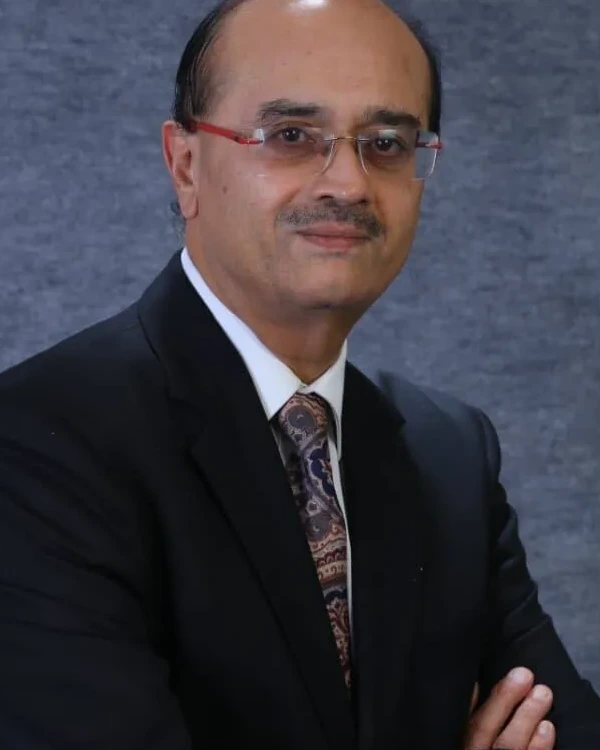
Dr. Pradyut Waghray
Senior Pulmonologist, Sleep Medicine
MBBS, MD, FRCP (London), FCCP (USA), FAMS
35+ years in respiratory medicine. Leads sleep evaluation, CPAP setup, and complex sleep apnea cases with heart or lung overlap.
View profile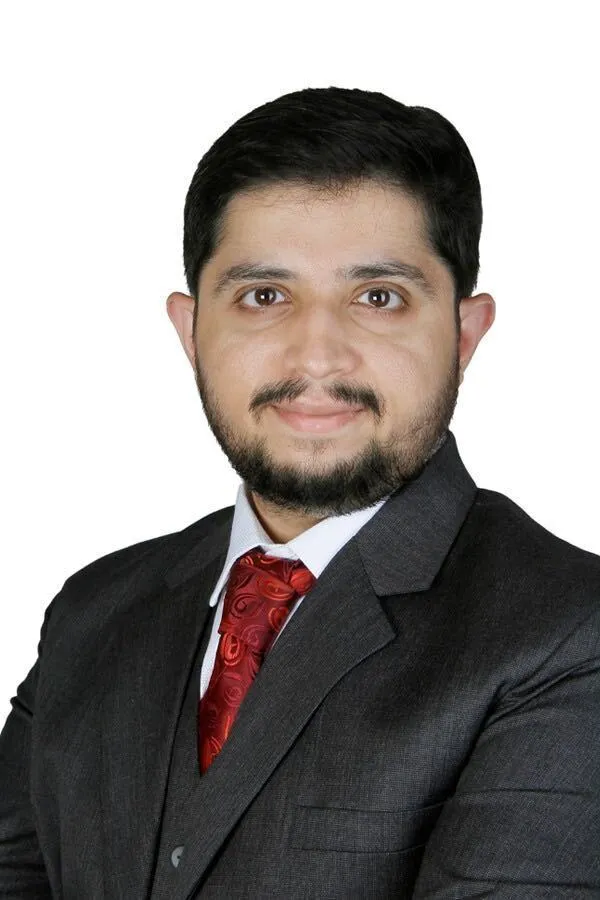
Dr. Kunal Waghray
Interventional Pulmonologist
MBBS, MD, DM (Pulmonology), DNB, MNAMS, EDRM
Sleep apnea with bronchoscopic airway evaluation. Severe cases, CPAP-intolerant patients, and overlap with asthma or COPD.
View profile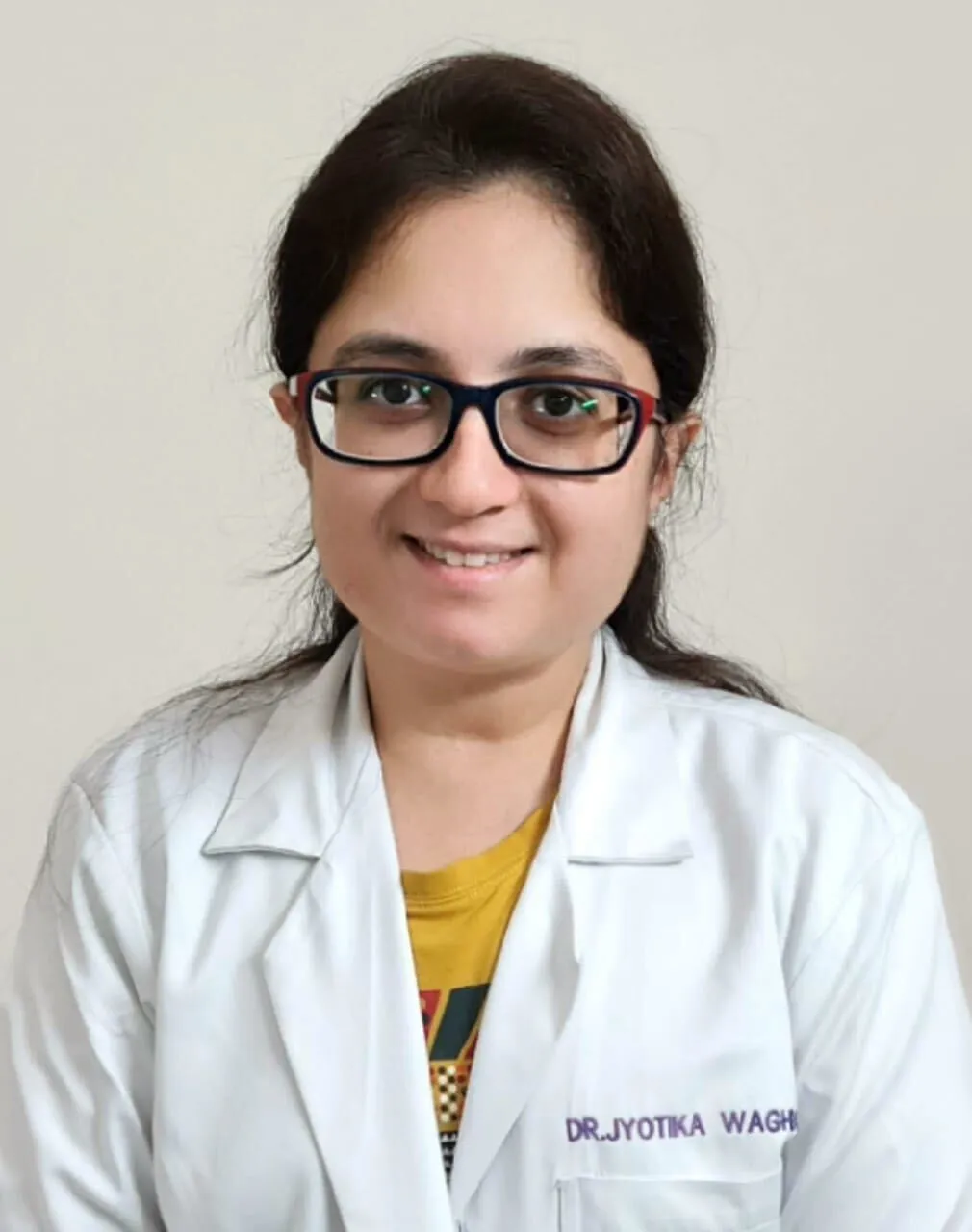
Dr. Jyotika Waghray
ENT Surgeon, Sleep Airway Surgery
MBBS, MS (ENT), Diploma in Allergy
Sleep airway surgery: septoplasty for sleep, UPPP, turbinate reduction, base-of-tongue procedures. CPAP-intolerant patients with correctable anatomy.
View profileMost sleep apnea cases start with Dr. Pradyut for the evaluation and CPAP track. If surgery becomes the right move, the handoff to Dr. Jyotika is a corridor walk, not a separate booking. If asthma or COPD is in the mix, Dr. Kunal owns that side.
When you need a sleep doctor
Most adults with sleep apnea have it for years before they are diagnosed. The right moment to come in is when one of the following is true.
The American Academy of Sleep Medicine (AASM) recommends screening for obstructive sleep apnea in any patient with witnessed apneas, loud snoring, daytime sleepiness, or treatment-resistant hypertension. Sleep apnea is also a risk factor for stroke, heart attack, atrial fibrillation, and type 2 diabetes.
Conditions we treat
The scope below covers the bulk of adult sleep medicine. Each linked item opens a dedicated page where evaluation and treatment are explained in full.
Insomnia & other
- Insomnia (acute and chronic)
- Shift-work sleep disorder
- Restless legs syndrome
- Daytime sleepiness evaluation
Sleep apnea + comorbidity
Deeper condition pages live under the sleep silo.
Testing and treatment
Sleep studies happen at home for most cases and in-lab for complex ones. Treatment ranges from CPAP and oral appliances to surgical correction of the upper airway.
Home sleep study
Portable device worn overnight at your own bed. Covers most uncomplicated obstructive sleep apnea screening. Report ready within 2-3 days.
Learn moreIn-lab polysomnography
Full overnight sleep study with sensors monitored by a technician. Needed for complex cases, treatment-resistant patients, and CPAP titration nights.
CPAP therapy and titration
Setup, mask fitting, pressure titration, and follow-up adherence checks. Available on-site at both clinics.
Learn moreOral mandibular advancement device
Custom-fitted oral appliance that holds the lower jaw forward to open the airway during sleep. Option for mild to moderate sleep apnea and selected snorers.
Learn moreSleep airway surgery (UPPP, septoplasty for sleep, base of tongue)
For selected patients where the airway anatomy can be surgically corrected. Done by Dr. Jyotika Waghray.
Learn moreCPAP alternatives
Positional therapy, weight management referral, surgical options, and combination protocols for patients who cannot tolerate CPAP.
Learn moreWhat to expect at your first visit
Your first consultation is 30 to 45 minutes. Here is what happens, in order.
History
Sleep schedule, symptoms (snoring, gasping, daytime sleepiness), bed-partner observations, medical conditions (BP, diabetes, heart disease), medications, alcohol and caffeine use.
Examination
Upper airway exam (nose, throat, palate, tongue base), neck circumference, weight and BMI, blood pressure.
Epworth Sleepiness Scale
Standard 8-question screening for daytime sleepiness. Takes 2 minutes.
Sleep study planning
Decision on home sleep study vs in-lab polysomnography based on your history, comorbidities, and what we are looking for.
Spirometry if pulmonary involvement is suspected
Often relevant for patients with overlap syndrome (asthma or COPD plus sleep apnea). 15 minutes, done same visit.
ENT review if upper-airway symptoms are dominant
Same-building referral to Dr. Jyotika if surgical airway evaluation is needed.
Written plan
Working diagnosis, sleep study scheduled, treatment direction (CPAP, oral device, surgery, or lifestyle), follow-up timeline.
What to bring:any prior sleep study reports, your bed-partner's observations of snoring or breathing pauses, a list of current medications (especially sedatives, antihistamines, and BP medication), and recent blood pressure readings if you have them.
Where we see patients
Respire Airway Clinics runs two clinic locations in Hyderabad. Sleep consultations, CPAP setup, and home sleep study coordination are available at both. In-lab polysomnography is arranged via partnered sleep labs.
Basheer Bagh clinic
Central Hyderabad, off Lakdi-ka-pul. Serves Nampally, Abids, Lakdikapul, and surrounding central areas.
Basheer Bagh clinicJubilee Hills clinic
Road No. 36, close to Jubilee Hills check post. Serves Jubilee Hills, Madhapur, Film Nagar, Gachibowli, and Kondapur.
Jubilee Hills clinicFrequently Asked Questions
What does a sleep specialist treat?
Disorders of sleep and breathing during sleep. The main ones: obstructive sleep apnea, snoring, insomnia, restless legs syndrome, shift-work sleep disorder, and CPAP intolerance. Sleep specialists also evaluate daytime sleepiness, morning headaches, and sleep-disordered breathing in patients with heart disease, diabetes, or stroke risk.
When should I see a sleep doctor?
Three rough triggers. One: loud snoring with witnessed pauses in breathing or gasping. Two: daytime sleepiness that does not improve with sleep, especially if you are falling asleep at work or while driving. Three: any combination of high blood pressure, weight gain, and fatigue that has not been investigated for sleep apnea. Children with mouth-breathing, restless sleep, or frequent night-waking also need review.
Do I need a referral to see a sleep doctor at Respire?
No. You can book directly. If your GP, ENT, or cardiologist suggested a sleep evaluation, bring the referral note and any earlier reports. They speed the consultation but are not required.
Is the sleep study done at the clinic or at home?
Both options are available. Home sleep study is a portable device you wear overnight at home; it covers most uncomplicated obstructive sleep apnea screening. In-lab polysomnography is a full overnight study with sensors monitored by a technician; it is needed for complex cases, treatment-resistant patients, and CPAP titration. The doctor decides which suits your case at the first consultation.
What is the difference between a sleep doctor and an ENT for snoring?
A sleep doctor evaluates the whole sleep system, runs sleep studies, prescribes and titrates CPAP, and decides whether surgery is the right move. An ENT does the upper-airway surgical side: septoplasty, FESS, UPPP, base-of-tongue procedures. At Respire both work together. Most adult snoring needs a sleep study first to confirm whether it is simple snoring or sleep apnea, then a decision on CPAP, oral appliance, or surgery follows.
How much does a sleep study cost in Hyderabad?
Home sleep studies are typically lower cost than in-lab polysomnography. Respire publishes the current fee at booking. A dedicated sleep study cost page covers the breakdown in detail.
Can sleep apnea be treated without CPAP?
Sometimes. Mild to moderate sleep apnea may respond to weight loss, positional therapy (sleeping on the side), oral mandibular advancement devices, or upper-airway surgery in selected patients. Severe sleep apnea usually requires CPAP or BiPAP, though sleep airway surgery is an option for patients who cannot tolerate CPAP. The right answer depends on the sleep study, your airway anatomy, and your preferences.
Most adults with sleep apnea have it for years before they are diagnosed. The bottleneck is the sleep study, not the treatment. A 30-minute consultation followed by an overnight study (at home for most cases, in-lab for complex ones) usually answers the question. The treatment that follows is targeted, and most patients feel the difference within the first week of CPAP, oral appliance, or surgical recovery.