
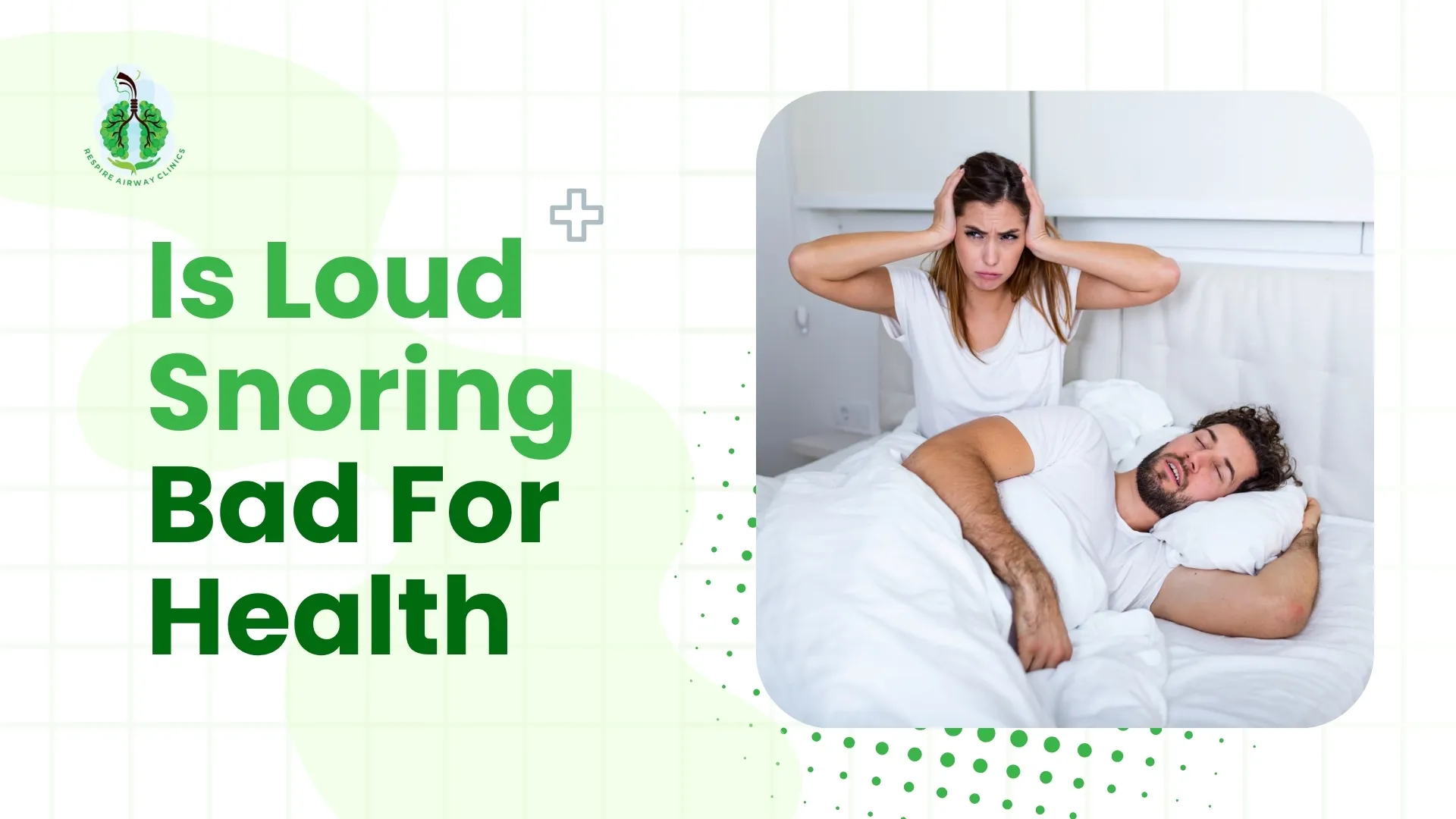
Snoring can be a sign of a serious health problem known as obstructive sleep apnea. The common condition can cause loud snoring and repeated pauses in breathing when you sleep. In the past, most people believed that louder snoring could indicate more severe sleep apnea. But new research shows that it is not always true.
Snoring is the main reason most people visit a sleep doctor, even when they don't have other sleep problems. Many people choose to treat sleep apnea because snoring can disturb their partners.
Is Snoring Dangerous?
Snoring is not always harmful. However, in most cases, it can be a warning sign of a serious sleep disorder known as obstructive sleep apnea. If you have sleep apnea, it can increase the risk of health problems, including high blood pressure, heart disease, and stroke. If snoring happens frequently, is very loud, and is combined with other symptoms like gasping, choking, or extreme daytime tiredness, you should see a doctor.
Some people also choose to get sure about their symptoms, for which they check their sleep patterns to find out if they have sleep apnea.
You may want to check 7 Signs You Have Sleep Apnea (Not Just Snoring).
Regular snoring could be bad for your heart. People, particularly overweight middle-aged men, who regularly snore at night are more likely to have elevated blood pressure and uncontrolled hypertension. Snoring is a common occurrence, affecting a large percentage of the population. by u/Wagamaga in science
Why Do People Snore?
Snoring is very common. It can be in the form of soft breathing sounds, loud snorts, or raspy noises. About 45% of adults sometimes snore, and about 25% snore regularly. Snoring can actually disturb both the person sleeping and the bed partner. People are more likely to snore when they are overweight, middle-aged or older, and women after menopause. Snoring usually becomes more common with age. It happens when airflow is partly blocked during sleep. The blockage can be caused by excess tissue in the throat, weak throat muscles, or a long, soft palate or uvula.
Sometimes snoring can also be linked to the health problems that can affect breathing during sleep, such as:
- Nasal congestion from allergies or sinus infections
- Nasal polyps (noncancerous growths inside the nose)
- A deviated septum (when the wall in the nose is uneven)
In most cases, snoring is a sign of a more serious health condition, including sleep apnea. It can affect your overall health when not treated.
What Are The Health Risks Linked To Loud Snoring?
Many people think snoring is only an annoying sleep habit. However, it can sometimes point to a serious health problem. A large study conducted in over 12,000 adults found that people who snorted loudly had a higher risk of various cardiovascular conditions. And, as compared to the non-snorers, loud snorers are more likely to suffer from heart attacks, stroke, and high blood pressure. Researchers also have seen that loud snorers were more likely to get emergency medical care.
The pauses that occur with loud snoring when breathing can be closely linked to obstructive sleep apnea (OSA). It is a condition where the airways become blocked during sleep. It can reduce oxygen levels and place stress on the heart and body over time. There are some factors that can increase the chances of snoring, such as:
- Smoking
- Pregnancy
- Alcohol consumption
- Nasal blockage
- Excess weight
- Use of muscle relaxants or certain drugs
The occasional light snoring is not harmful, but you should not ignore frequent loud snoring combined with daytime tiredness. It shows that a sleep evaluation is needed.
Posts from the sleepapnea community on Reddit
Treatment For Snoring and Sleep-Disordered Breathing
There are various effective treatment options available for most people who snore or have obstructive sleep apnea (OSA). Treatment usually depends on the severity of the condition and the person's individual condition.
What Treatment Options Are Available for Snoring?
Medical and Lifestyle Treatments: Doctors usually recommend changes in lifestyle for people with snoring or mild sleep apnea. Those include:
- Avoiding alcohol, usually in the evening
- Losing weight if overweight
- Avoid sleeping pills or sedatives, as they can relax your throat muscles and make snoring even worse
- Treating nasal congestion caused by allergies or sinus conditions
- Sleeping on the side instead of on the back helps keep the airways open
What Surgical Options Are Available For Treatment?
When non-surgical methods don't work, surgery can be recommended. There are different procedures available that mostly target your nose, jaw, tongue, neck, or soft palate. The type of surgery depends on which part of the airways is causing the blockages.
Treatment Options for Obstructive Sleep Apnea (OSA)
The treatment options are usually important for people with severe daytime sleepiness, moderate to severe OSA, and heart-related complications such as heart disease, high blood pressure, stroke, or irregular heartbeat. OSA treatment can improve sleep quality, reduce daytime tiredness, reduce accidents caused by sleepiness, lower the risk of heart problems, and improve overall quality of life.
CPAP Therapy: It is a common treatment for moderate to severe OSA. A continuous positive airway pressure machine gently pushes air through a mask that you wear over your nose when sleeping. The air pressure helps keep the airways open and helps avoid breathing pauses. CPAP is usually safe and very effective, but it should be used every night to get the best results.
Visit Our Doctors Today
It is not possible to answer the question "Is loud snoring bad for health?" with a simple yes or no. Snoring is a common phenomenon, and in many people it remains harmless. However, research shows that habitual loud snoring is usually linked with increased cardiovascular risk. It is also a marker of sleep-disordered breathing.
So, you should not see it as purely an inconvenience. In fact, most modern sleep machines consider it a physiological sign that can show the instability in the respiratory system when you fall asleep. That's why a continuous loud snore requires clinical attention. If you are ready to get yourself checked, contact us today to book an appointment.