
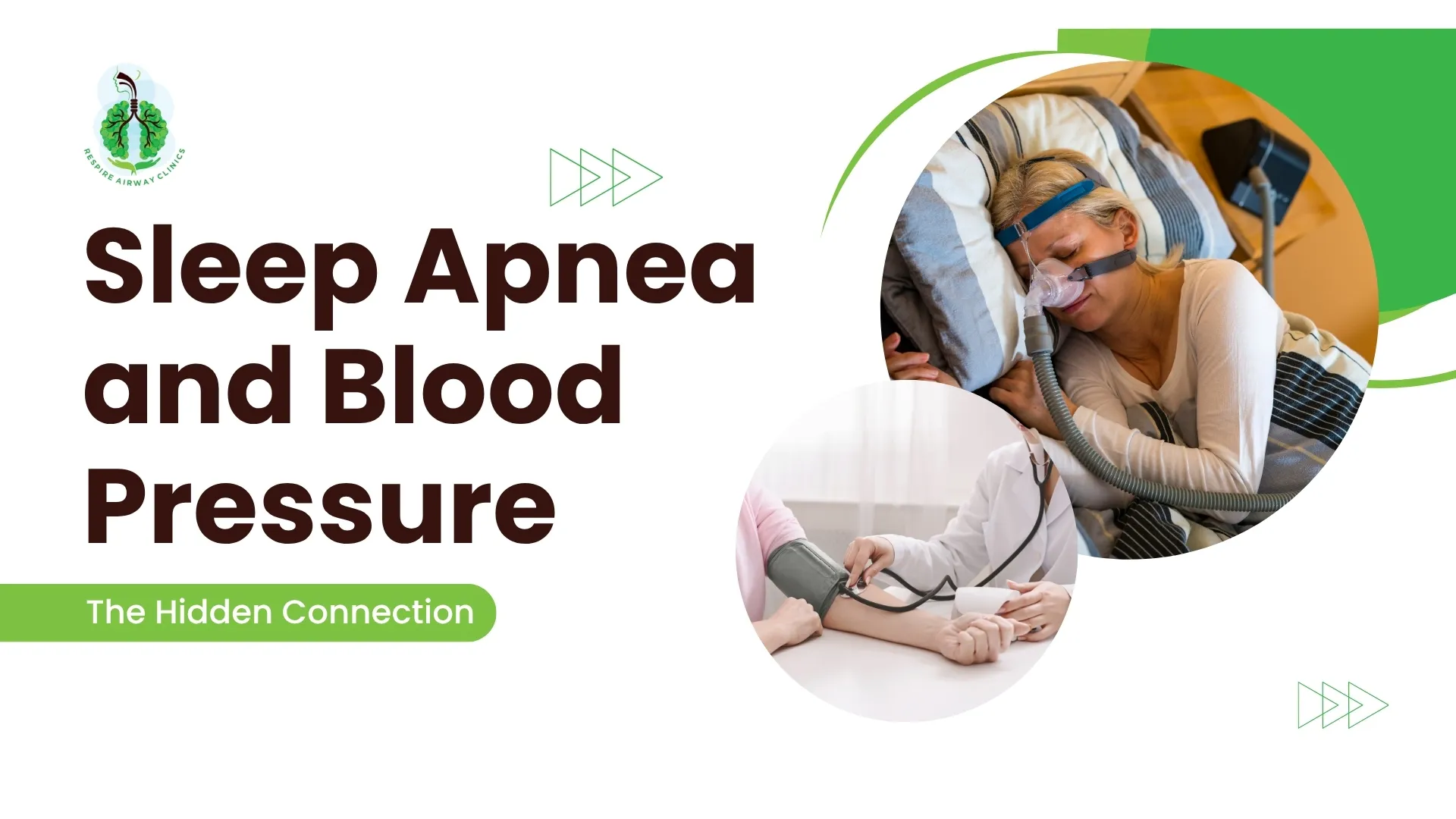
About half of people with sleep apnea also have high blood pressure. In many cases, sleep apnea can be the reason, especially when blood pressure stays high even after taking medication.
If you have been managing high blood pressure for years, and your numbers are still not where they should be, even after taking medication, reducing salt, exercising, there is an important question your doctor may not have asked: how well can you sleep?
The connection between sleep and high blood pressure is important but usually overlooked in medicine. About 50% of the people with obstructive sleep apnea (OSA) also have high blood pressure. Around 30% of people with high blood pressure have OSA. And in people whose blood pressure remains high even after taking medications, that number rises to nearly 80%.
What Happens To Your Blood Pressure When You Have An Apnea
When you sleep your airway collapses, oxygen in your blood drops and CO2 rises. Your brain can easily detect such situations and then triggers an emergency response while activating your body's "fight or flight" system. When adrenaline is released, your heart rate speeds up and your blood vessels tightens. As a result, your blood pressure rises quickly. Sometimes, it rises enough and goes above 20-40 mmHg from the normal level within seconds.
It happens 30, 50, or sometimes 100 times per night. In fact, every night, for years. The repeated "fight or flight" responses don't just causes temporary spikes in the blood pressure, but they slowly reset your body to keep it higher all the time. The system in your body that normally control your blood pressure start getting used to the higher levels.
That's the reason why blood pressure medications don't always work well in people with sleep apnea. The real problem is not in the conditions that these medicines treat, but it begin earlier. Usually, when your breathing interrupts during sleep.
Night-time High Blood Pressure Is The Most Dangerous Pattern
Normally, your blood pressure drops by about 10-20% when you fall asleep. The drop is healthy and even provides your heart and kidneys a good chance to rest. However, in people with sleep apnea, the drop usually doesn't happen. In some cases, blood pressure can even be higher at night as compare to the day.
The night-time blood-pressure is mostly risky. And the reason? It increases the chances of heart thickening, stroke, and even kidney disease. The problem is, it frequently goes unnoticed because people check blood pressure during the day.
So, even if your daytime readings look normal, sleep apnea can still affect your blood pressure at night. A 24-hours blood pressure test can what's really happening when you sleep.
The Risk of Atrial Fibrillation
When your blood pressure remains constantly high at night, along with repeated "fight or flight" activation, it puts a lot of strain on your heart, especially on the upper chamber (the left atrium).
It helps explain why sleep apnea is strongly related to atrial fibrillation (AF), a common heart rhythm issue. People with sleep apnea are 2-4 times more likely to develop AF as compare to others.
Even after treatment to restore a normal heart rhythm, AF can come back if sleep apnea is not treated. That's why most heart specialists can now check for sleep apnea in patients with AF before they move to the advanced treatments.
Does Treating Sleep Apnea Actually Lowers Your Blood Pressure
Yes. But here's a catch. Studies shows that using a CPAP machine can lower your blood pressure by 2-10 mmHg in 24 hours. Even the biggest improvements have been seen in the people with severe sleep apnea and higher blood pressure. If it drops a little, it really matters. For example, if systolic blood pressure is lowered by just 5 mmHg can reduce the risk of stroke by about 14% and heart disease by about 9%.
However, the benefits depends on how regularly you use CPAP machine. People who use CPAP machine for at least 4 hours a night usually see much better results as compared to those who use it less. That's why it is important to use CPAP regularly. It not only improves your sleep, but also protects your heart.
Resistant High Blood Pressure
If your blood pressure stays above 130/80 even after you take three different medications, it is known as resistant hypertension. In such a situation, doctors should check for the sleep apnea issues, because it is usually a common hidden cause. Most heart guidelines provide such recommendations, but people ignore it in real life.
So, if you are taking multiple blood pressure medicines, and your numbers are still not well controlled, and you also have loud snoring, pauses while breathing during sleep, morning headaches, feeling sleepy during day, or waking up at night to urinate, don't just add medications. You need to know deeper about the sleeping patterns.
Why Does It Matter in Hyderabad
South India has very high rates of high blood pressure and Type 2 diabetes. These both conditions are closely related to sleep apnea. In a city like Hyderabad, most people have desk-based jobs, they eat high-calorie diets, and don't even get regular sleep. All of these can increase the risk of sleep apnea.
It means a large number of people can have sleep apnea without even knowing it. They also can have higher risk of heart problems that don't get fully treated. If people are getting treatment for their high-pressure pressure without even considering their sleep, they are actually treating the symptoms not the real cause.
Check out how we diagnose and treat sleep apnea at Respire in Hyderabad.