
One Airways, One Disease
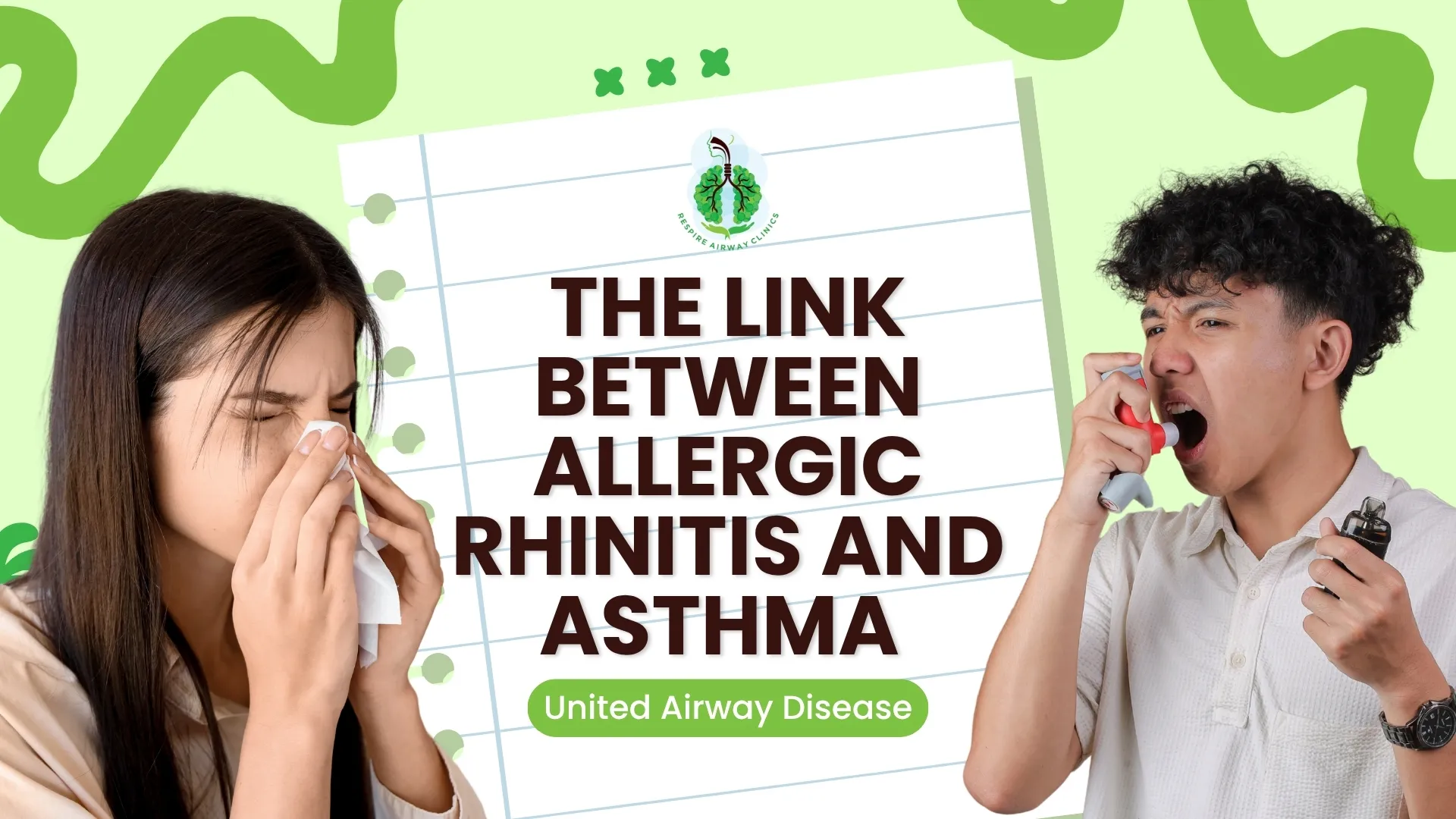
Your nose, sinuses, and lungs are all connected and form one airway. So, when there is inflammation in one part, it can affect the other parts too. The idea is known as "united airway disease." It means the nasal allergies (allergic rhinitis) and asthma are not two separate problems.
They are different forms of the same underlying conditions. Studies show that about 80% of asthma patients have nasal allergies. Around 20-30% of the people with such allergies have asthma. So, if you have one, you are at a higher risk of developing the other condition.
How Does Nasal Allergy Make Asthma Worse?
If a nasal allergy is left untreated, it can worsen asthma in various ways:
-
Mouth Breathing: When your nose is blocked, you breathe through your mouth. The nose normally gets warm, moist, and filters air; the mouth does not. So, cold, dry, and unfiltered air goes straight to your lungs and can trigger symptoms.
-
Postnasal Drip: Mucus from the nose and sinuses can drip down the throat. These irritate the airways and even cause cough or tightening of the lungs.
-
Whole-body Inflammation: The inflammation in your nose can spread through the bloodstream. These make your lungs more sensitive and even reactive.
-
Less Helpful Nitric Oxide: The nose produces a substance known as nitric oxide. These help keep airways open. If your nose is blocked, you get fewer benefits, which can even worsen asthma.
What Research Shows
Most large studies have found that treating nasal allergies helps improve asthma. When you use nasal steroid sprays, those can reduce asthma attacks, lower the need for emergency visits, and even decrease hospital admissions. In a major study, adding a nasal steroid spray to treat asthma reduced emergency visits by more than 30%.
What Does It Mean For You?
If your asthma is not well controlled even after using your inhaler correctly, your nose may be making your asthma worse. You also need to look for nose problems like a runny nose, blockage, sneezing, or mucus in the throat. All you need is the right treatment for your nose to improve your asthma.
At Respire, ENT (Ear, nose, and throat) and respiratory doctors work together to treat these conditions. If you come in with asthma, they can also check for the nasal allergies, sinus issues, and nasal polyps. The reason is that treating everything together works better than treating each problem separately.
What Are The Treatment Approaches Available for United Airway Disease
-
Use nasal steroid sprays to reduce inflammation in the nose. It also helps improve asthma.
-
Antihistamines help control allergies, especially during pollen season.
-
Try to reduce exposure to things like mould, dust, and pollen.
-
If you have confirmed allergies, the treatment works on the root cause, not just symptoms.
-
Use regular asthma medications continuously, along with the nasal treatment options, for the best results.
When To See Both Specialists?
If you have both nasal problems and asthma, or if one is getting worse than the other, you need to get your condition checked by both an ENT (ear, nose, throat) doctor and a respiratory doctor. A visit to one clinic can provide you with a treatment plan for the whole problem, and not just one part. That's the approach we use at Respire.